
Buying a House With an Elevator: What to Check Before You Close
What To Check Before You Close
The elevator is part of the house. Check it like the roof.
The worry we hear most from buyers is simple: “I love the house, but I am inheriting a machine nobody has looked at.” It is a fair worry. A standard home inspection usually covers the roof, the plumbing and the electrical panel. The elevator often gets one line, or none, because most home inspectors are not elevator technicians. One buyer on a Reddit thread asked whether to just trust the seller and the listing photos. Our answer is no, and it is easy to do better.
A home elevator is not a reason to walk away. In many Southern California houses, especially hillside and multi-level homes in San Diego and Orange County, the elevator is a big part of why the house works. But it is a machine with moving parts, safety devices and a service history. Before you close, you want to know three things: does it work, is it safe, and who will take care of it?
Advantage Elevator is a licensed California elevator contractor (CSLB C-11 #1027832) with more than 20 years in business and a 4.9-star Google rating across 300+ reviews. We inspect and service every major residential brand, so we can look at your future elevator without a sales agenda for any one manufacturer.
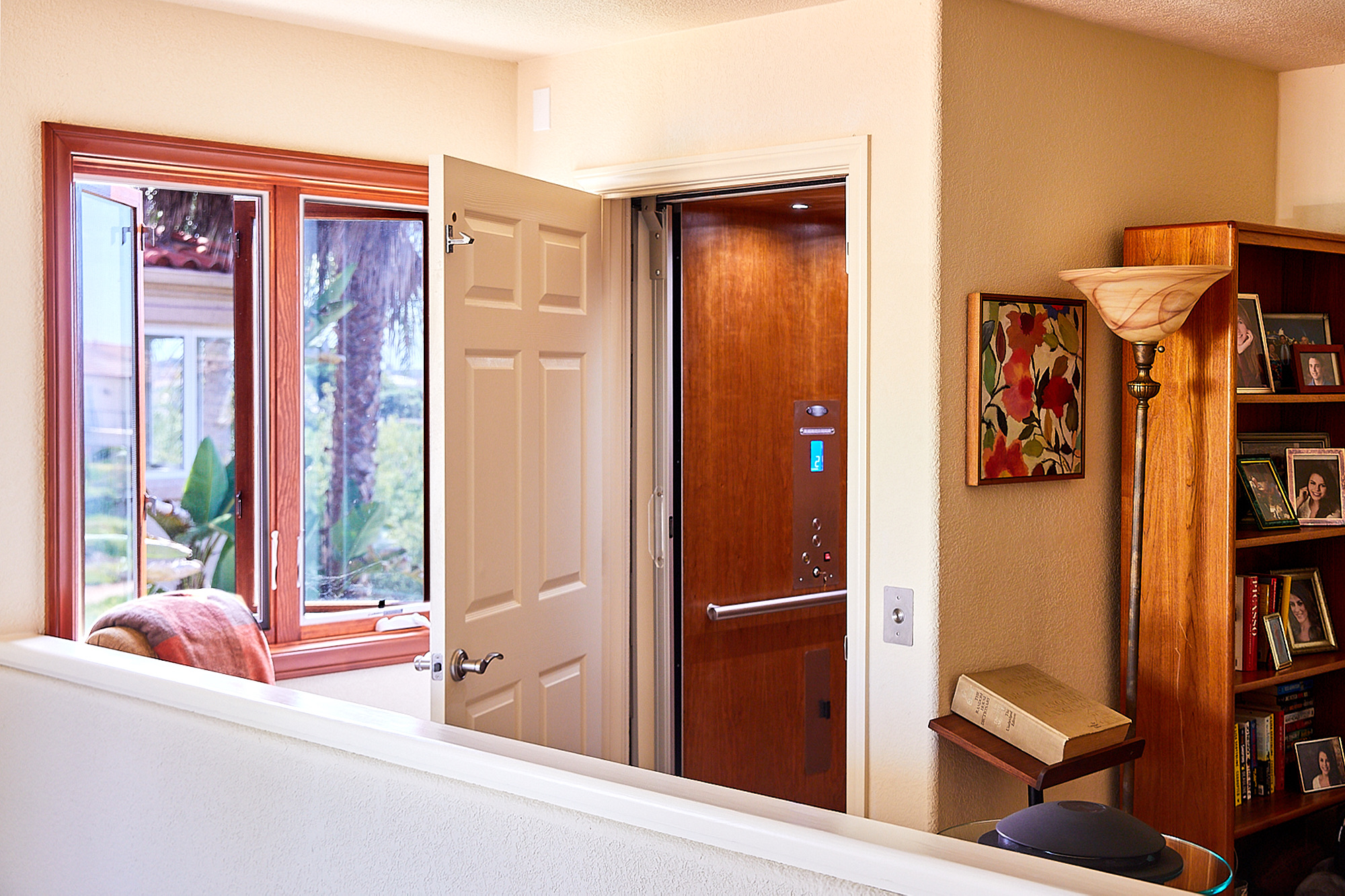

Controls behind framed art

Hoistway and rails
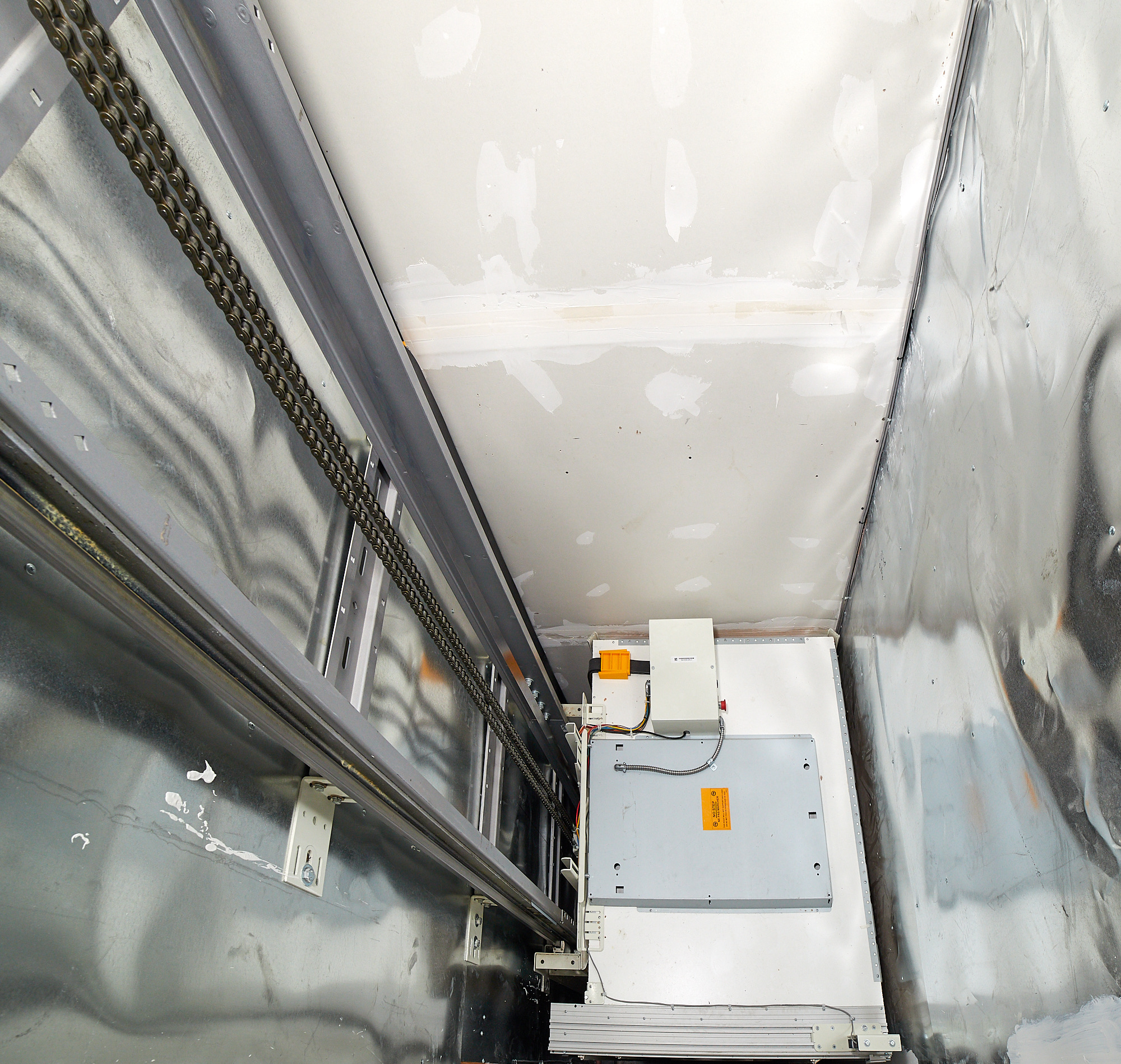
Drive unit
Buying a house with an elevator at a glance
The short answer
What we check
What to do next
Who inspects a home elevator in California?
This surprises buyers. California’s Cal/OSHA elevator safety program exempts elevators in a single-unit private home that is not open to the public (Title 8, section 3000(a)). That means there is generally no state inspection certificate hanging in the cab, the way there is in an office building. Your cities and counties still require a building permit and plan check for the hoistway, structural and electrical work when an elevator is built, so a permit may exist in the city’s records. We do not make claims about any one city’s rules, so ask your agent to request the permit history from the building department.
Because the state does not inspect home elevators, an independent inspection is the only way to find out the real condition. A qualified elevator contractor can do it, and it usually fits inside your normal inspection window. Ask your agent to book it the same week as the home inspection so findings arrive together. Our residential elevator inspection service is built for exactly this situation, and the cost is quoted after we hear about the home.
What a buyer’s elevator inspection covers
A good inspection is a working test, not a glance at the cab. When we visit, we ride the elevator through every stop and watch for problems you cannot see from the kitchen. Here is the list.
- Doors and gates. Every landing door and the car door or gate must close fully and lock before the car moves. Worn interlocks are among the most common faults we find.
- Safety circuit and devices. The stop button, the alarm, and the devices that stop the car if something goes wrong.
- Emergency lowering and battery backup. Most modern units have a battery system that brings the car to a landing in a power outage. Dead batteries are common in homes that have sat empty.
- Emergency phone or alarm. A person stuck in the cab must be able to reach someone.
- Drive and leveling. Hydraulic units, cable-drum units and chain-drive units all show wear differently. We look for leaks, noises, rough starts and floors that do not line up.
- Pit and machine area. We check the pit, the controller and the machine space, which owners often use as storage. Stored boxes next to a machine are a safety and fire concern.
- The door gap. We measure the space between the landing door and the car door or gate, for reasons covered next.
You get a plain written summary: what works, what needs attention now, and what will need attention in the next few years. Nothing in it is a scare tactic. It is information you can use to decide.
Recalls: find the brand, then check the list
The first question about any older elevator is who made it. Many were built by companies that have been acquired, renamed or closed. Our page on how to identify your elevator brand shows where each manufacturer tends to put its data plate. If the plate is hidden behind custom millwork, we can usually find it during a visit.
The reason this matters: in January 2022 the CPSC announced recalls covering residential elevators from Savaria, Inclinator and Bella, and later settled with TK Access over the same hazard. The danger is a child getting trapped in the gap between the landing door and the car door or gate. The fix is a free space guard from the manufacturer, or an electronic monitoring device. The CPSC also issued a separate warning about Waupaca elevators, whose maker is no longer operating. If your future elevator carries one of these brands, ask whether the fix was installed. We cover each brand on our elevator brands we service page, and our guide to child safety around home elevators explains the hazard in detail.
Records to ask the seller for
Ask for these in writing, through your agent, early in escrow.
- Service and maintenance records. Who has serviced it, how often, and when was the last visit? A home elevator with no records is not automatically bad, but you should price in the unknown.
- The installation company and permit. Who built it, and is that company still in business? If not, ask who has serviced it since.
- Warranty paperwork. Some manufacturer warranties require regular maintenance, and a warranty may or may not transfer to a new owner. Confirm with the manufacturer or dealer.
- Recall repair proof. A receipt or note showing the space guard or other safety fix was done.
- Keys, manuals and codes. Door release keys, any key switches, the owner’s manual and the controller details.
- Known problems. Ask the direct question: has it ever stalled, flooded the pit, or needed a major repair?
Using the findings in negotiation
An elevator inspection gives you leverage, and you should use it fairly. Three outcomes are common. First, the elevator is in good shape with a clean service history, and you move ahead with confidence. Second, the inspection finds items that need repair, such as worn door hardware or dead batteries, and you ask the seller to fix them or credit you. Third, the unit is old, orphaned or past practical repair, and you plan for modernization after closing. Our elevator modernization work replaces controllers, drives and doors in stages, so an older elevator does not have to mean a full replacement.
On resale, buyers are split. Some see a built-in elevator as a maintenance burden that takes up floor space. Others, especially in luxury and multi-story homes, expect one. Judge it for the way you will live in the house, not for a hypothetical future buyer.
Cost questions are best answered with real information. We quote repairs and modernization after a free in-home visit, and the general factors are explained in our home elevator cost guide.
After you close
Plan the first week. Find the data plate, confirm the brand, save the service records, and book a maintenance visit so you start with a known baseline. Our companion guide, just moved into a house with an elevator, walks through the first steps, and our maintenance plan keeps the elevator on a schedule.
Frequently Asked Questions
Should I buy a house with an elevator?
Often yes, if the elevator passes a proper inspection and you will use it. It adds a machine to maintain, so treat it like a roof or a pool: check the condition first and budget for upkeep.
How much is a residential elevator inspection?
We quote it after a short conversation about the home and the elevator, so we do not put a number on a web page. We offer free in-home estimates for most work, and our team can tell you exactly what an inspection involves when you call (833) 865-7887.
Should I get an independent elevator inspection in addition to the home inspection?
Yes. Most general home inspectors are not trained to test elevator safety devices, door interlocks or emergency lowering. An elevator contractor can test them in a short visit.
What red flags should I look for in a home with an elevator?
Doors that do not close fully, a car that stops a little above or below the floor, oil on the pit floor, new grinding noises, a dead alarm or phone, stored items in the machine space, and no service records at all.
Who is responsible for repairs on a home elevator after I buy the house?
You are, once you own the house, unless the contract says otherwise. That is why we suggest asking the seller to repair known defects or credit you before closing, based on a written inspection.
What happens if the elevator company that built my elevator went out of business?
You are not stuck. We service orphaned brands, and parts for many older units can be matched or modernized with a new controller or drive. We tell you up front if a brand is hard to support.
Buying a home with an elevator? Get it inspected.
A licensed C-11 contractor, 4.9 stars on Google. Call (833) 865-7887 or request a free in-home visit.




