
Home Elevator Maintenance in Orange County, CA
Annual and Bi-Annual Service Plans
Elevator maintenance plans for Orange County homes, serviced from Costa Mesa
A home elevator rides quietly for years, and then one day it does not. Almost every sudden breakdown we get called to in Orange County started as something a scheduled visit would have caught: a dry guide, a dirty door contact, a drifting leveling setting, a battery that no longer holds a charge. Advantage Elevator offers annual and bi-annual maintenance plans for every major residential brand, run from our office at 2942 Century Place in Costa Mesa.
Plan customers get a technician who knows the elevator, a visit on the calendar instead of an emergency call, and priority scheduling when something does go wrong. Plans also meet the regular-maintenance requirement that manufacturer warranties, including Savaria’s, attach to their coverage.
- Annual or bi-annual visits to match your home and how hard the elevator works
- Reduced service rate: $550 per visit on a plan versus $600 per visit without one
- Priority scheduling for plan customers when a problem comes up
- All brands serviced, including older units whose original dealers have closed
- Licensed California elevator contractor (CSLB C-11 #1027832), 24/7 emergency line
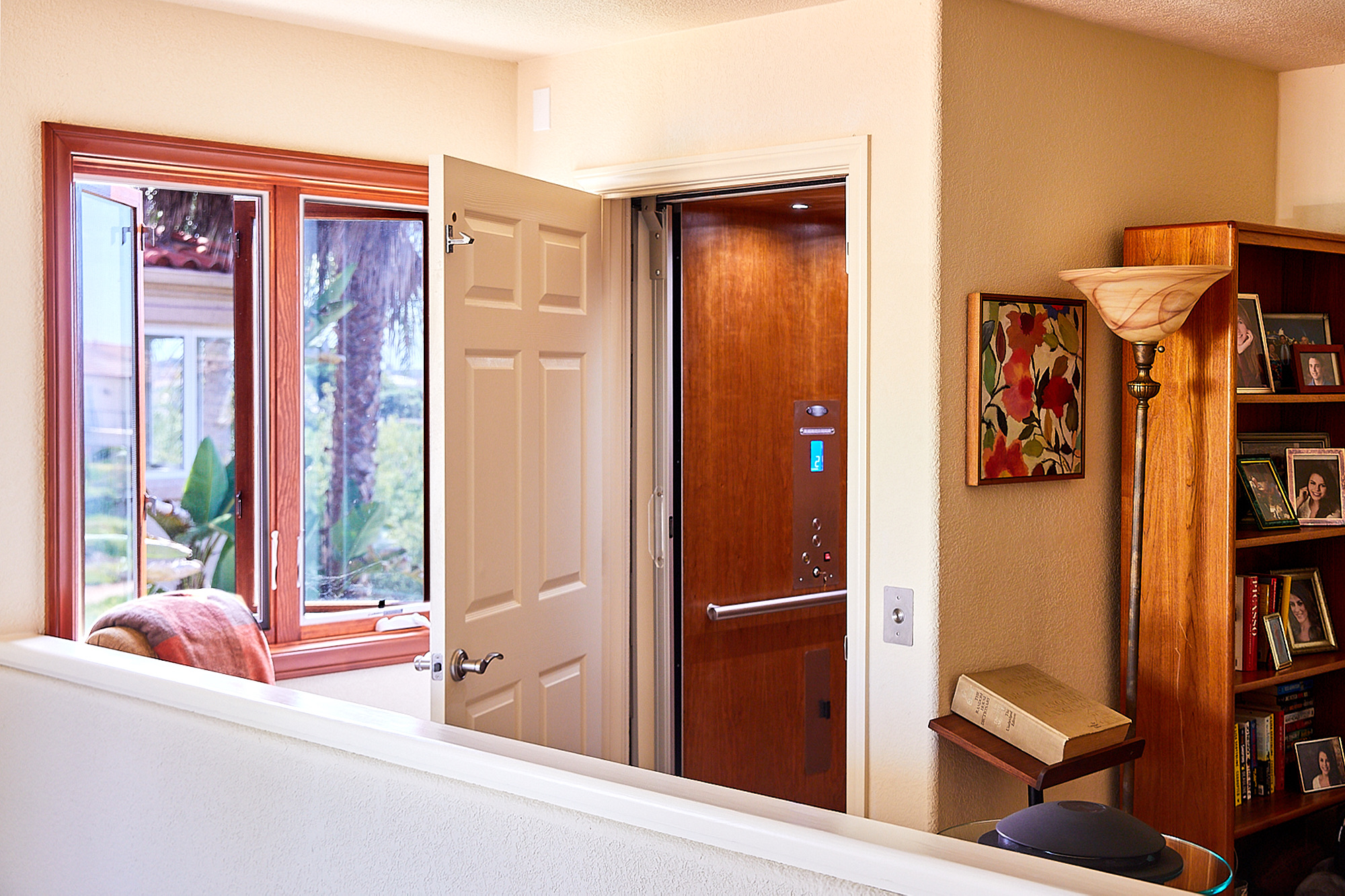

Controls hidden behind framed art
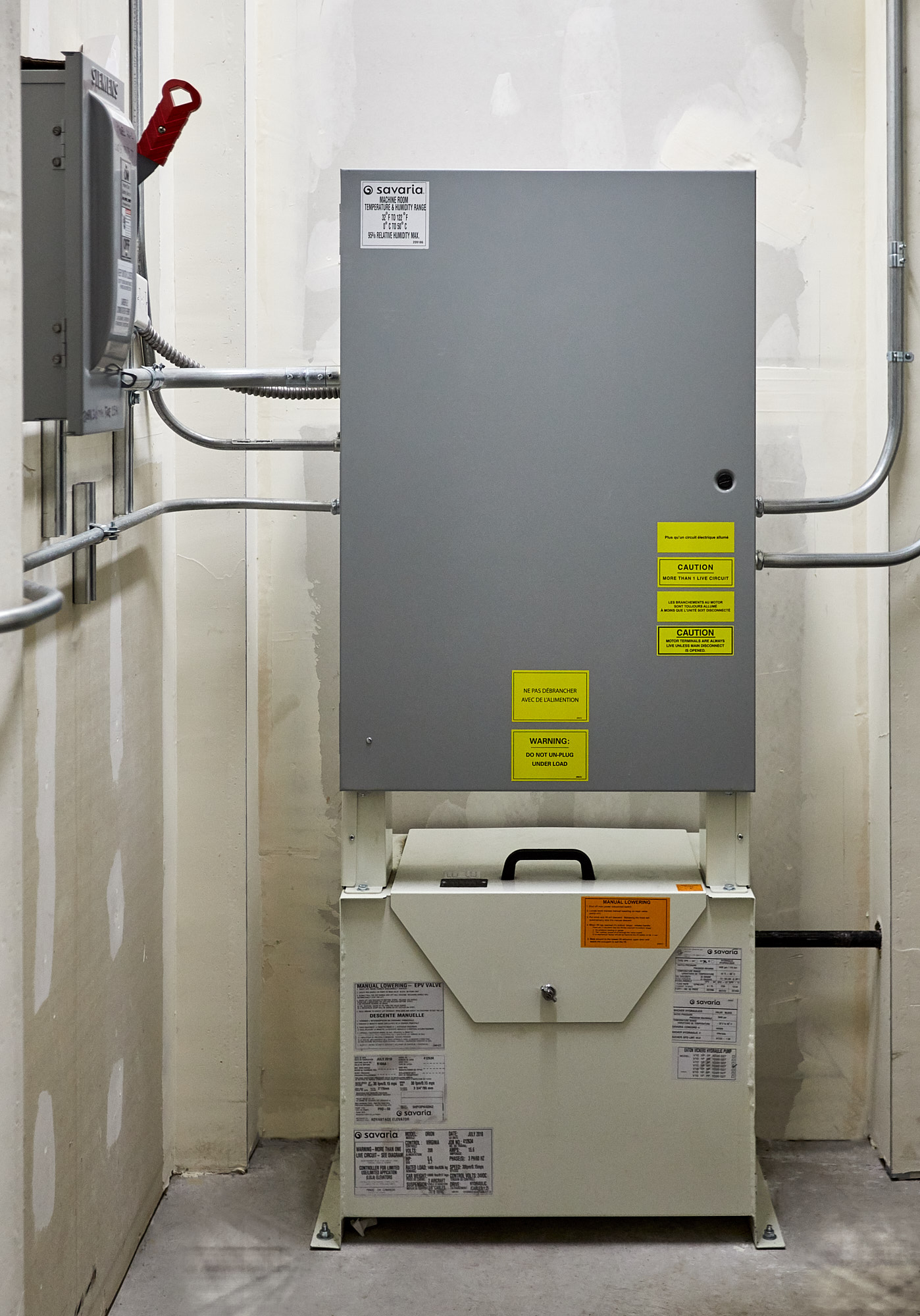
Hydraulic unit check
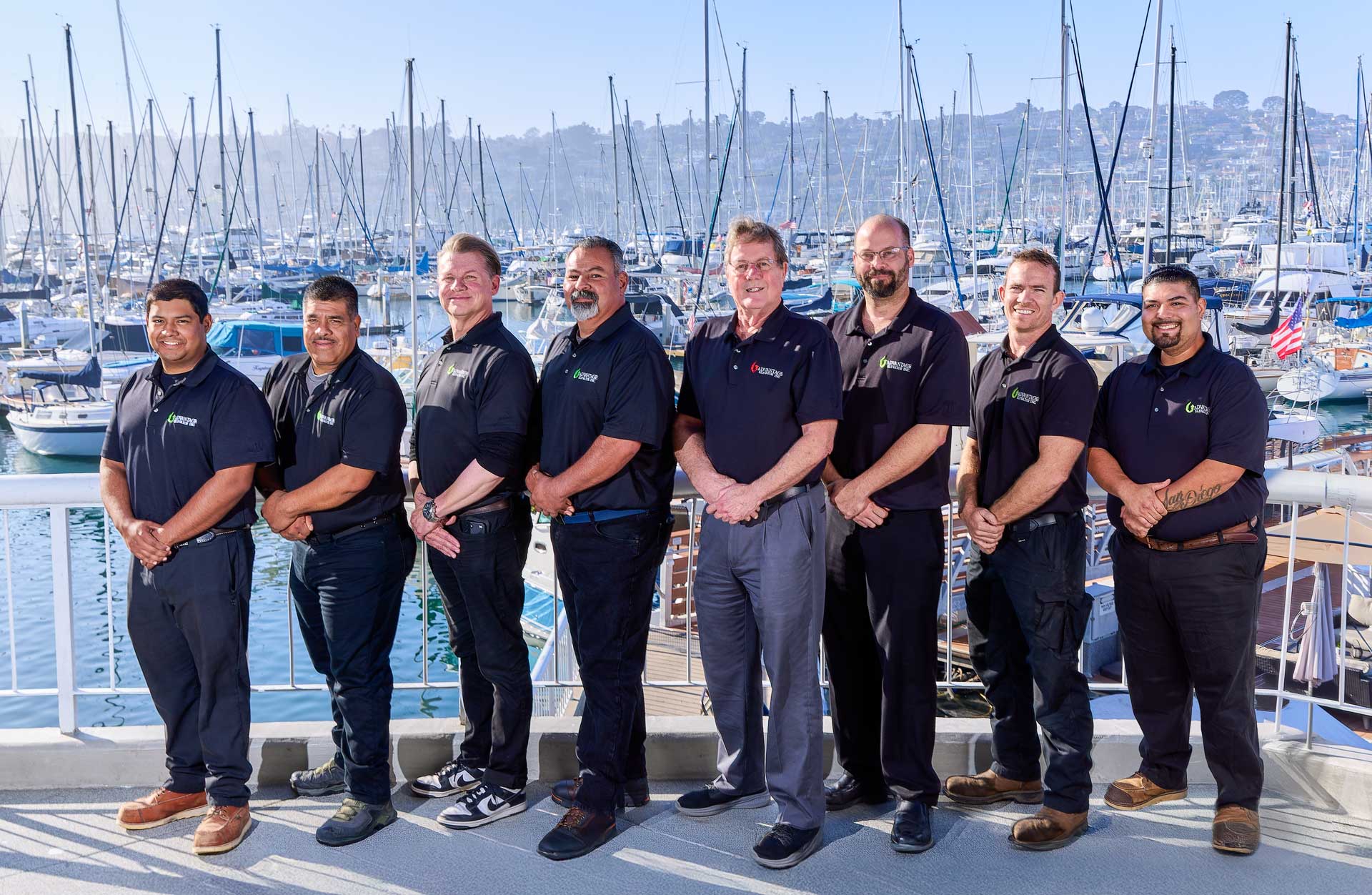
Advantage Elevator service team
What the plan gives you
Full inspection and safety testing
Priority scheduling
Warranty compliance
Annual versus bi-annual: which plan fits your home
Both plans include the same inspection. The difference is how often a technician comes.
Annual suits an elevator that serves a couple of people, sits inland, and is in good condition. Homes in Irvine, Yorba Linda, Mission Viejo and Anaheim Hills often fall in this group.
Bi-annual is what we recommend for coastal homes, for elevators in daily heavy use, and for older units. Some manufacturers set the expectation themselves. Savaria, for example, notes that its Vuelift line is intended for dealer inspection twice a year.
Not sure which applies? Tell us the address and the brand, and we will give you a straight answer. We would rather put you on the right plan than sell the bigger one.
Why coastal Orange County elevators need the bi-annual plan
Salt air does damage in places you cannot see. Homes in Corona del Mar, Balboa Island, Huntington Harbour, Laguna Beach, Dana Point and San Clemente sit in humid, salt-laden air most of the year, and even houses a mile or two inland catch the marine layer. Salt attracts moisture and attacks copper and aluminum terminals, which is exactly what the control board and door contacts are made of.
What we see on coastal calls is the same set of problems: door interlock contacts that pit and stop making a clean connection, relay points that corrode, terminals that go green, and surface rust on rails and pit equipment. None of it announces itself. The elevator works until a contact finally fails, and then it will not move at all.
Two visits a year, one at the end of summer and one in late winter, let us clean and treat those contacts before they fail. Cleaning is cheaper than a service call, and an elevator that never strands anyone is worth more than either.
Pits near the water can collect moisture too, so we check the pit for dampness and corrosion on every visit.
What a technician checks on every visit
The visit follows a written checklist, and you get a copy.
- Doors and gates: hoistway door interlocks, car gate switches, door tracks and operators, and the lock engagement that keeps a hoistway door shut when the car is not there.
- Drive and motion: hydraulic valve and fluid on hydraulic units, chain, cable or drum condition on traction and drum units, rails, guides and guide shoes, with lubrication where the manufacturer calls for it.
- Controller and wiring: connections, terminals, fault history and the safety circuit.
- Leveling and ride: the car should stop flush with each floor and ride without new noise.
- Safety devices: limit switches, emergency stop, alarm and emergency lighting.
- Pit and top of the car: debris, moisture, corrosion and loose hardware.
- Cab and fixtures: buttons, call stations, and trim that could snag.
If we find something small, we fix it on the spot or tell you what it costs first. If we find something large, you get a written quote and a plain explanation of why it matters. No surprises.
The battery lowering test, and why it matters in Orange County
The most important thing most homeowners never test is the battery lowering system, which is what lets the elevator bring you to a floor and let you out when the power fails. It is meant for getting out safely, not for running normally on batteries.
Orange County has more reasons to care than most places. Wildfire-season Public Safety Power Shutoffs have reached inland southern Orange County, and Santa Ana wind events do not give much notice. Neighborhoods such as Coto de Caza, Laguna Niguel’s canyon edges, Yorba Linda and Anaheim Hills sit near wildland, and the history there is real. The 1993 Laguna Beach fire destroyed 441 homes, and eastern Yorba Linda lost 113 homes in 2008.
On every visit we put the elevator on battery, confirm it lowers and the doors release, check the battery’s condition and date, and replace it when it is weak. A battery that tests fine in March can fail by October, which is one more reason the bi-annual schedule works well for homes in power-shutoff zones.
Maintenance plans for older and orphaned elevators
Many Orange County homes have elevators put in between the late 1990s and the 2000s, often by dealers that have since closed. We take on those units routinely. We learn the brand, build a parts list and keep notes on what the elevator needs, so the next visit starts from a record instead of a guess. If you do not know the brand, our brand identification guide shows where to find the nameplate.
When an old unit starts costing more to keep going than it is worth, we say so, and we show you what a modernization would involve before recommending a replacement.
Frequently Asked Questions
How much does elevator maintenance cost in Orange County?
A visit is $600 without a plan and $550 per visit on an annual or bi-annual maintenance plan. The plan also includes priority scheduling. Repairs found during a visit are quoted in writing before any work begins.
How often should a home elevator be serviced?
At least once a year. We recommend twice a year for coastal homes, heavily used elevators and older units. Some manufacturers set twice-yearly dealer inspection as the expectation for certain models.
Does the maintenance plan keep my warranty valid?
Savaria’s 36-month parts warranty requires regular maintenance, and documented plan visits satisfy that requirement. Check your own warranty paperwork for the exact terms, and we will help you read it.
Will you service an elevator you did not install?
Yes. We service every major residential brand, including older units whose original installers have gone out of business. Tell us the address and what you know about the unit, and we will take it from there.
What if the elevator stops between plan visits?
Call our 24/7 line at (714) 905-5092. Plan customers get priority scheduling, and entrapments always go first. A technician comes from our Costa Mesa office.
Put your Orange County elevator on a plan.
Annual or bi-annual service from our Costa Mesa office. (714) 905-5092.




