
How Long Do Home Elevators Last? Wear Stages, Parts and Repair vs. Replace
From a Licensed Southern California Contractor
The worry behind the question: how much life does my elevator have left?
Most people who search this are not shopping. They own an elevator that is twenty years old, a service company has just said something worrying about parts, and they want to know whether they are about to spend a lot of money on a machine that is nearly finished. That is a fair thing to wonder, and it deserves a straight answer.
Here it is. A well-built home elevator that is maintained on schedule runs for decades. We will not give you a single year figure, because no honest technician can. An elevator is not one part that wears out on a date. It is a frame, a drive, a controller, door equipment and a cab, and each of those ages differently. What matters more than the calendar is which parts are wearing, whether the maker still supports them, and how the elevator has been looked after.
This guide walks through how a home elevator ages in stages, what an orphaned brand really means, and how we decide between repairing, modernizing and replacing. If you want someone to look at yours, we do free in-home estimates anywhere in San Diego County and Orange County. We service every major residential brand, not just the ones we sell.
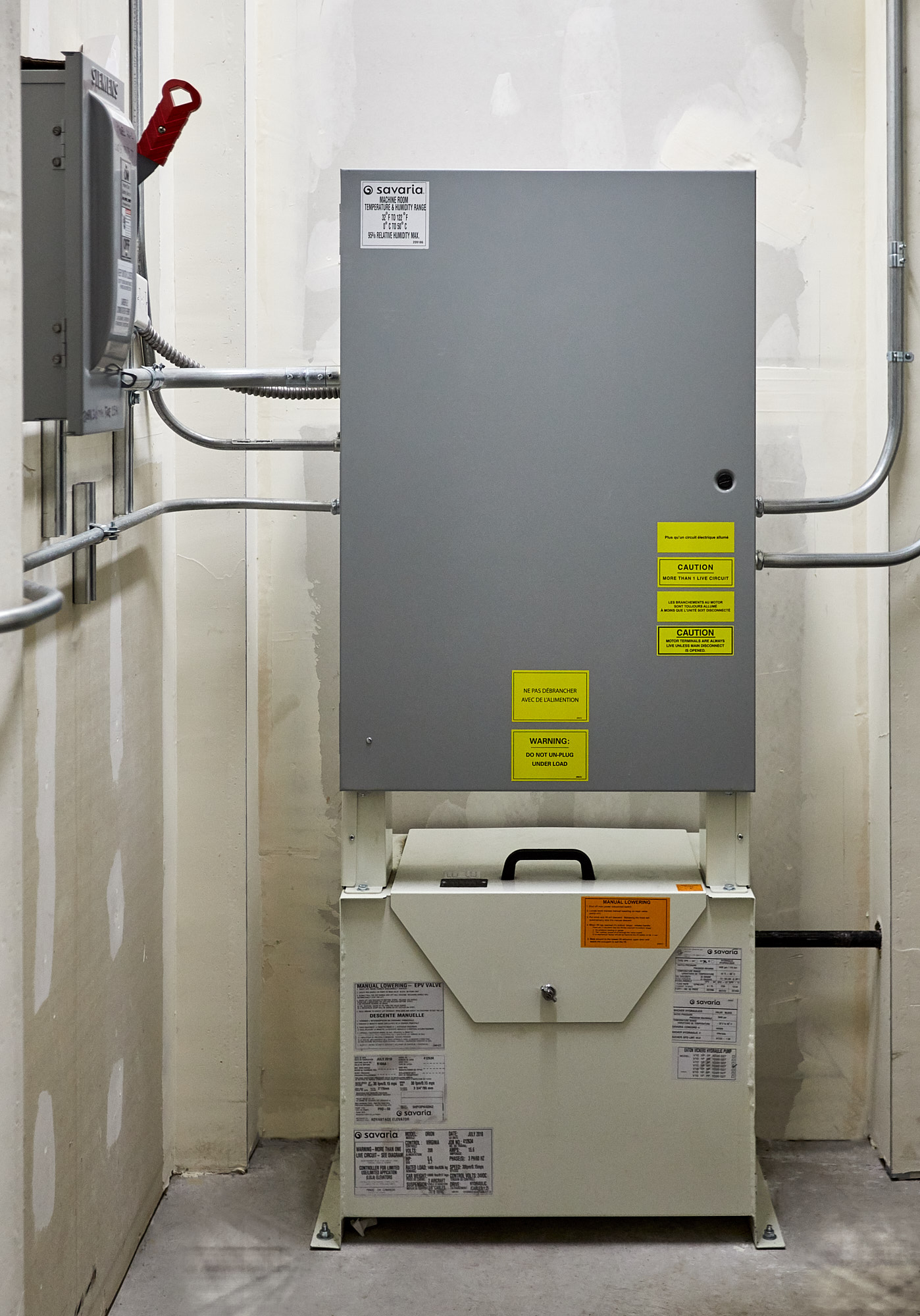
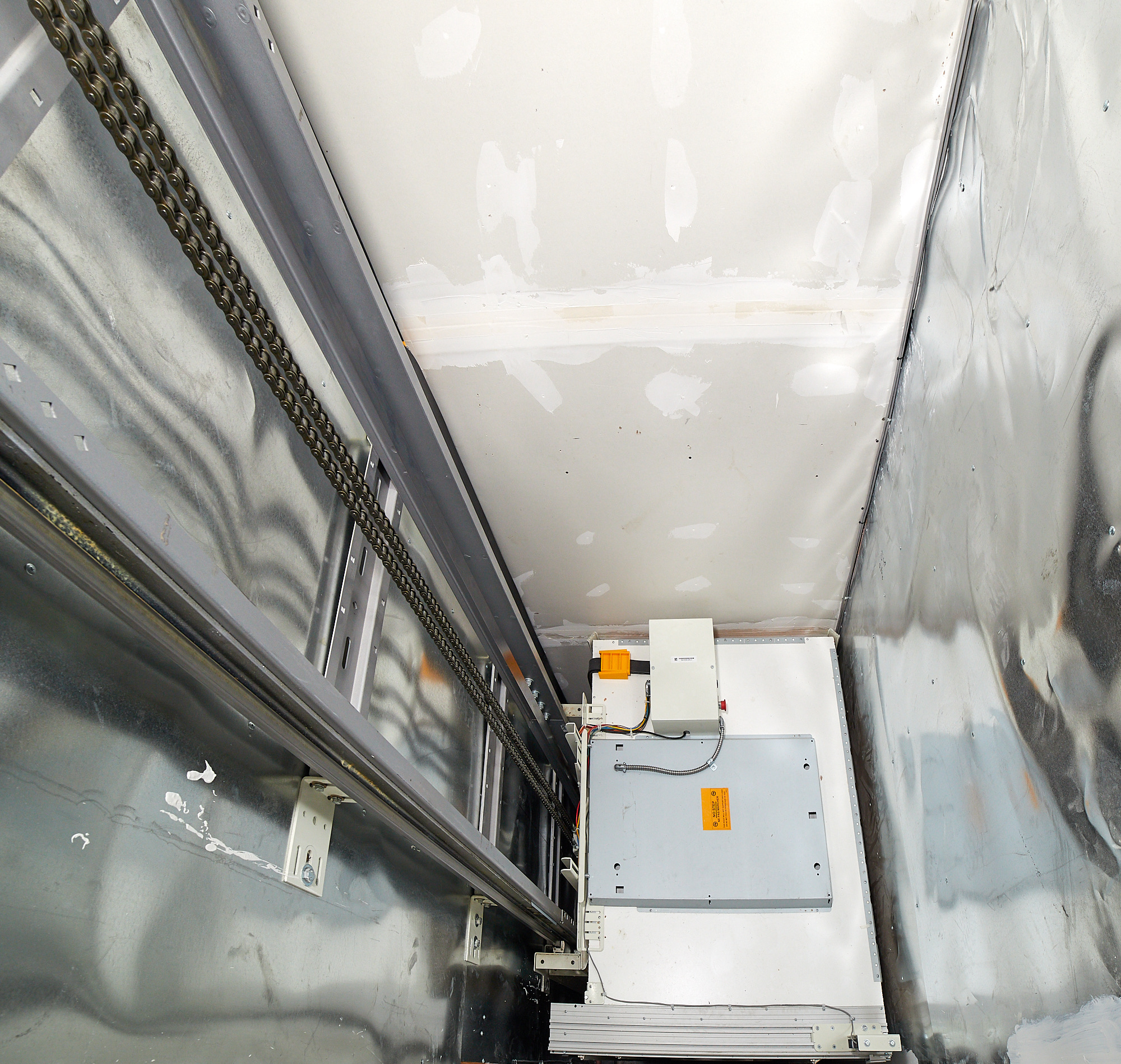
Replacement drive

Updated cab panel
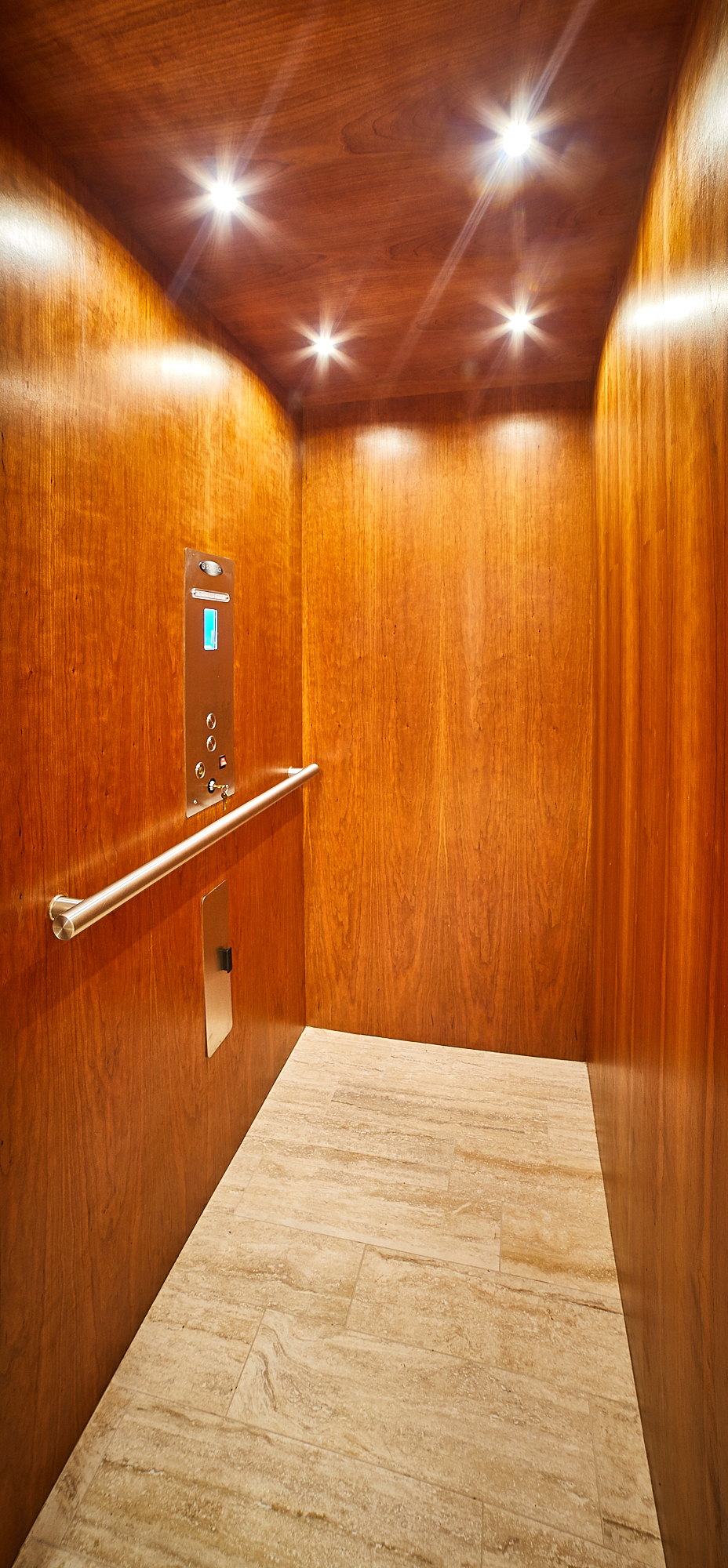
Refinished cab
Lifespan at a glance
The short answer
What we check
What to do next
Why there is no honest single number
Search results for this question are full of confident year ranges. Most come from sellers or from general elevator literature written for big buildings. A home elevator is a different machine with a very different workload. A family might ride it a few times a day. An office elevator rides all day long. The home unit also lives in a garage-side closet, a coastal house, or a hillside basement, and those places treat equipment differently.
Three things move the lifespan more than anything else:
- Maintenance history. An elevator serviced every year, with worn parts swapped before they fail, ages gracefully. One that has not been touched for fifteen years often has seized rollers, dried-out door contacts and a controller running hot.
- Where it lives. Salt air near the coast eats door contacts, relay points and exposed steel. Heat in an unvented attic machine space stresses electronics. Both are common in Southern California.
- The drive type. Hydraulic, chain traction, cable traction and winding drum each have their own wear points. A hydraulic unit worries you about seals and fluid. A drum unit worries you about cables and drum grooves. A chain unit worries you about chain stretch and sprockets.
If a company quotes you a lifespan without looking at the elevator, treat the number as marketing. We would rather look first. You can read what a maintenance visit covers in our guide to home elevator maintenance explained.
How a home elevator ages: the stages of wear
Think of it as stages rather than a countdown. Most home elevators move through something like this, though the order and timing vary with use, climate and care.
Stage one: the settling years. New equipment gets adjusted. Door tracks, leveling and gate switches need small tweaks as the house itself settles. Problems here are usually adjustments, not failures.
Stage two: the long, quiet middle. With annual service the elevator simply works. Technicians replace small wear items on a schedule: door rollers, gate and interlock contacts, lubricants, a battery in the backup lowering system.
Stage three: the electronics and wear-parts years. Controllers, drives, door operators and motors have finite lives. Boards from the early 2000s are failing across Southern California. Cab lights, call buttons and fixtures fade and fail. None of this means the elevator is finished. It means certain components are due.
Stage four: the support question. Eventually the question stops being “is the part worn?” and becomes “can anyone still get this part?” This is where age really bites, and it is the heart of the next section.
Stage five: the structure. The hoistway, guide rails and frame are the last to go. When they are sound, nearly everything else can be replaced around them. When the hoistway itself no longer meets what the city and the current code require, replacement becomes the sensible conversation.
Orphaned brands and the parts problem
“Orphaned” means the company that built your elevator has closed, been sold, or stopped supporting the model. It happens often. A large share of the home elevators in San Diego and Orange County went in between the late 1990s and 2010, and some of those makers are gone or have changed hands.
An orphaned elevator is not a dead elevator. Here is what it does and does not mean:
- Common wear parts such as rollers, switches, relays, door hardware and many gate components are often generic or can be matched from other sources.
- Brand-specific parts such as proprietary control boards, special door operators or original power units can be scarce. Sometimes they can be repaired, sometimes rebuilt, sometimes replaced with a modern equivalent that fits the same hoistway.
- Some makers have been absorbed or succeeded by other companies that still help owners. Others have not. We will tell you which situation you are in.
The practical fix for a scarce board is often a modern controller retrofit, which swaps the electronics and keeps the cab, rails and hoistway. We service every major residential brand, including ones whose original dealers have closed. See the list of brands we service, and if you do not know what you have, our guide to identifying your elevator brand shows where each maker hides its nameplate.
One more thing worth checking. Some older residential elevators were part of federal safety recalls over a child-entrapment gap between the landing door and the car door or gate. If yours is older, ask us to check it. The remedy is a free space guard from the manufacturer or an electronic monitoring device, and our technician can measure the gap for you. Details are in our child safety guide.
Repair, modernize or replace: how we decide
We do not make money by pushing you into a new elevator, and we would rather say so plainly. Here is how the decision usually breaks down.
Repair is right when one part has failed and the rest is healthy. A worn door contact, a leaking fitting, a failed switch. Repair is also right for a machine that is old but well-kept, where the parts you need are available.
Modernize is right when several parts are reaching the end of their lives together, or when a key part can no longer be sourced. Modernization replaces the drive, controller, door operators and fixtures in a planned project, and keeps the hoistway, rails and often the cab. It can be done in stages if you prefer to spread the work out. It also lets you update the cab finishes to match a remodel. We cover it on our San Diego modernization and Orange County modernization pages.
Replace is right when the hoistway no longer meets current requirements, when the structure is compromised, when no one can supply parts and no retrofit fits, or when the bill to make an old unit safe approaches the price of a new one. We tell owners the same thing every time: you get a written condition report first, and the decision stays yours.
Prices for any of these are quoted after a free in-home visit, because they depend on your brand, number of stops and condition. For the general picture, see what a home elevator costs.
Making any elevator last longer
You control more of this than you think.
- Service it on schedule. Annual is the baseline. Close to the water, twice a year is smarter, because salt and humidity attack contacts and relays.
- Keep the machine space clean, dry and ventilated. Do not use the closet beside the controller as storage. Dust, boxes and heat shorten electronics.
- Report small changes early. A new noise, a slower door or a slightly off leveling is a cheap fix today and an expensive one in six months.
- Keep the battery lowering system healthy. It brings the car to a landing in a power outage, and the battery wears out on its own schedule.
- Keep the paperwork. Service records, the nameplate photo and any recall notices help any technician, now or later, and they matter if you sell the house.
If you are buying or inheriting a house with an elevator of unknown age, our residential elevator inspection gives you a clear read on its condition before you decide anything.
Frequently Asked Questions
How long do home elevators usually last?
Decades, with regular maintenance. We do not give a single year figure because it would be a guess. The hoistway and frame typically outlast the drive, controller, door operators and finishes, which are replaced in stages as they wear.
What is the lifespan of a residential elevator?
It depends on the maintenance history, the drive type and where the elevator lives. Coastal salt air and heat shorten the life of electronics and contacts. A maintained elevator can be kept running far longer than a neglected one of the same age.
How long should a residential elevator last?
Long enough that the question is really about which parts to renew and when. The frame and hoistway are built to last for decades. Plan for the drive, controller and door equipment to be refreshed at some point, ideally on your schedule rather than after a breakdown.
Is my old elevator obsolete, and can it be brought up to date?
Often yes, it can be brought up to date. If the controller or a proprietary part is no longer made, a modern controller retrofit usually keeps the cab, rails and hoistway. We inspect first and tell you if a part is truly unobtainable.
What happens if the company that made my elevator is gone?
You still have options. Common wear parts are usually obtainable, scarce boards can often be repaired or replaced with a modern equivalent, and we service every major residential brand, including orphaned ones. Start with a free in-home look so we know exactly what you have.
How often should a home elevator be modernized?
There is no fixed interval. Modernization makes sense when several major components are aging together or a key part can no longer be sourced. A written condition report from a licensed contractor tells you whether you are there yet.
Want a straight read on your elevator?
Free in-home estimates across San Diego and Orange County. Licensed CSLB C-11 contractor. Call (833) 865-7887.




