
From Order to First Ride: The Home Elevator Installation Timeline
From Order to First Ride
Weeks, not days, for a full project
Search for how long a home elevator takes and you will find answers from one day to a month in the same set of results. They are all true, and they are all answering different questions. A shaftless lift can be assembled inside a house in as little as a day, and one manufacturer says exactly that. A traditional elevator in a house that needs framing, electrical work, a permit and finishes is a project that takes weeks. Both can be called a home elevator installation.
The real worry behind the question is living through construction. Homeowners ask what the house will look like, how long the dust lasts, and whether the delay on one piece will hold up everything else. This guide walks through the stages in order, shows which ones take the time, and explains what a one-day claim covers and what it leaves out.
Advantage Elevator is a Savaria Elite dealer and licensed California elevator contractor (CSLB C-11 #1027832). We also install Stiltz and Cambridge Elevating. We give a written schedule with the proposal, and we update it when the permit or a delivery moves.
- Installation by our own technicians, not subcontracted out
- Permit and inspection coordination with your city
- 4.9-star rating across more than 300 Google reviews


Hoistway framed
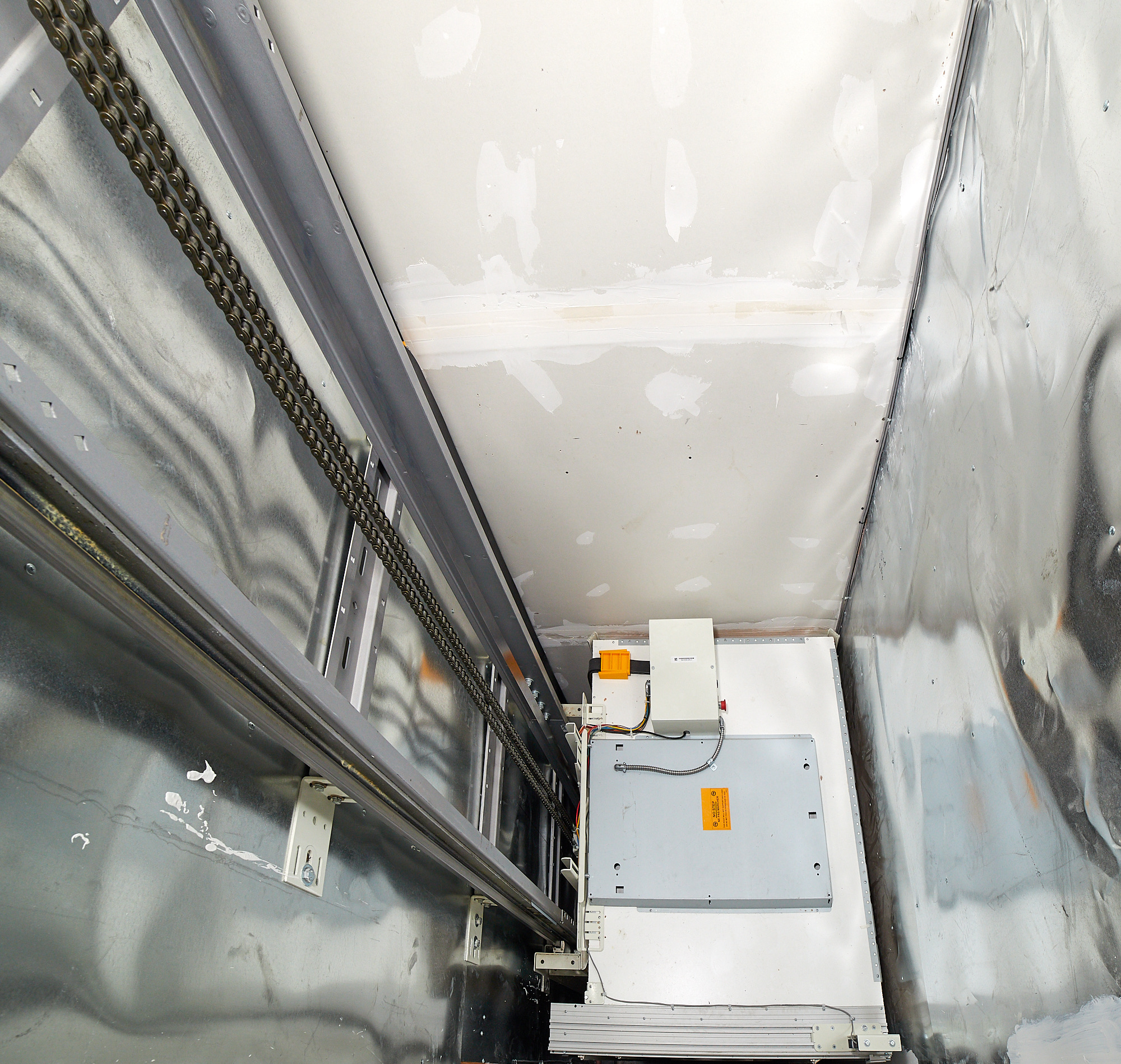
Drive unit set
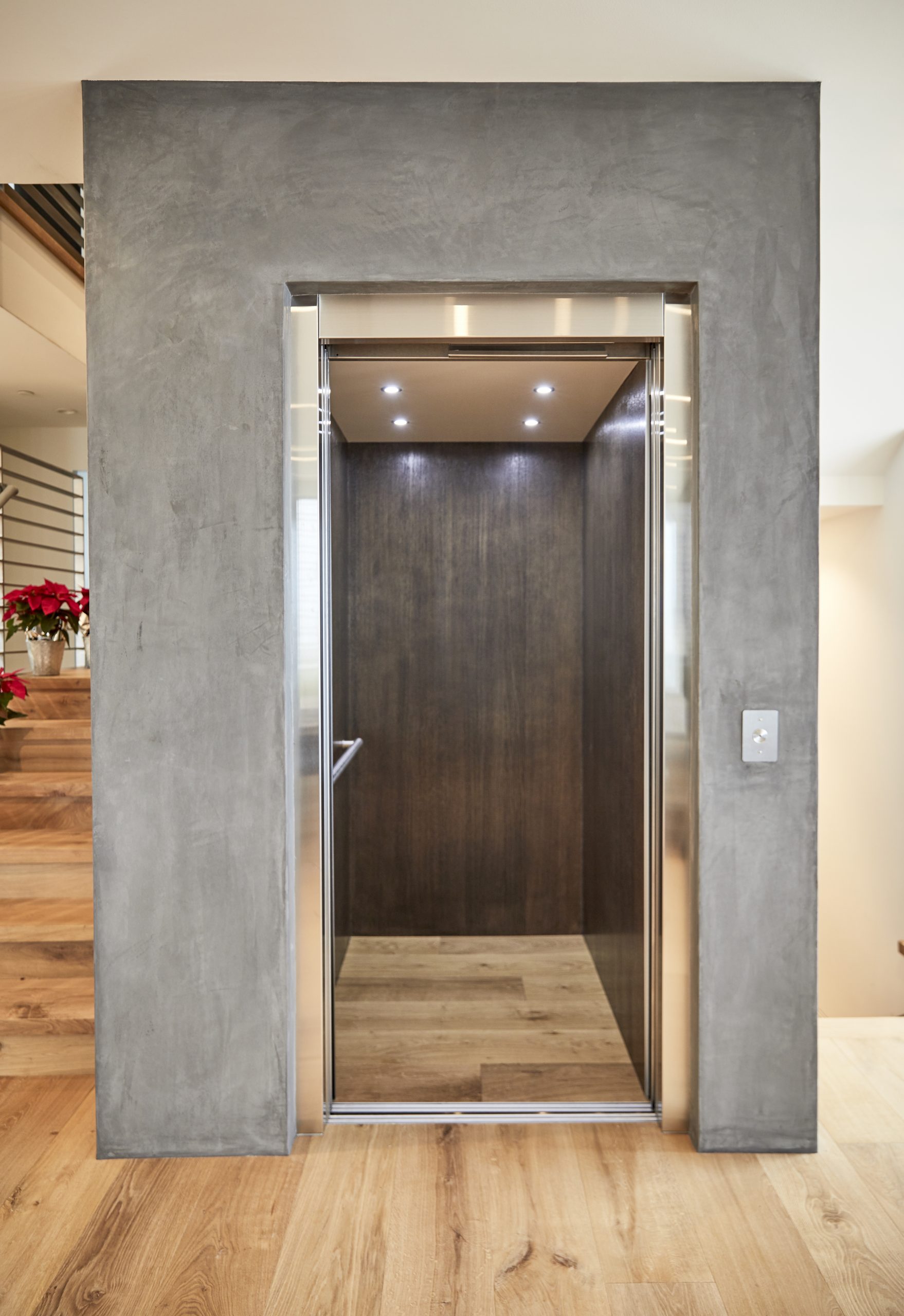
Completed installation
The timeline in three lines
The short answer
What takes the time
What to do next
Stage 1: The visit, the design and the decision
It starts with a free in-home visit. We look at where the elevator could go, measure, check the panel, and talk through who will use it. We bring two or three options, often a traditional elevator, a through-floor or shaftless lift, and sometimes a stairlift for comparison. You then take time to decide. This stage can be as short as a week or as long as you need, and it is the stage you control.
If you are still choosing, our guides on adding an elevator to an existing home and how much space a home elevator needs will help.
Stage 2: Drawings, engineering, permit and HOA
Once you choose, we prepare the drawings. If the shaft cuts through floor framing or needs a pit, a structural engineer details the work. We then coordinate the building permit with your city’s building department, and the plans go through plan check. If you have an HOA, its review runs alongside. See our guide on home elevator permits in California.
This is the stage with the most variation, because it depends on the city and the board. We do not promise how long a building department will take. We do submit complete packages so they are not sent back, and we tell you honestly when we are waiting on someone else.
Stage 3: Ordering and manufacturing
Elevators are built to order. After the drawings and final dimensions are approved, the equipment is built and shipped. Lead times depend on the manufacturer and the options you choose, and we give you a date when we place the order. Custom cabs, special finishes and glass add time. This is another waiting stage where a good schedule helps.
Stage 4: Getting the house ready
Before the elevator arrives, the house has to be ready for it. For a traditional elevator, that usually means framing the shaft, cutting the floors, forming the pit if one is needed, and running the electrical circuit to the right spot. The contractor and trades do this work, and we coordinate the sequence so our technicians arrive when the shaft is plumb and the power is ready. A few days of preparation is normal for small jobs. Larger jobs, especially those with a pit in a slab, take longer.
Our guide to the hidden costs of a home elevator lists who handles each trade.
Stage 5: The installation itself
The installation is the part everyone pictures, and it is often the shortest stage. What it involves depends on the type of elevator.
Shaftless and through-floor lifts. These are the quickest. Stiltz says on its site that a lift can be installed in as little as one day, and a through-floor lift such as the Savaria Telecab or Luma goes into a prepared opening. See Stiltz and shaftless home elevators.
Traditional elevators. Our technicians set the guide rails, hang the car, install the drive, doors and wiring, and adjust everything for smooth leveling. This takes several days for a typical two-stop elevator, and longer with more stops, more doors or custom cabs.
Think of the one-day claim as the time to assemble the unit once the house is ready, not the time from signing to riding. It does not include the permit, the delivery, or any framing, electrical or finish work. For a lift that needs none of that, it can be close to the whole story. For most houses, it is one stage of several.
Stage 6: Inspection, startup and teaching you the controls
When installation is done, we test the elevator, adjust the doors and leveling, and check the safety devices. Your city inspects the work. After that we walk your family through the controls, the emergency lowering system and what to do if the elevator stops. Then the finish trades close up: drywall, paint, trim and flooring at the landings. This final stretch is the one people forget, and it is where a project can feel like it drags. A good schedule includes it.
What can speed up or slow down your project
Things that help: a clear location, a panel with room, a model that needs no pit, a general contractor who is ready, and an early start on the HOA and the city. Things that slow it down: a change of design after ordering, a slab pit that needs engineering, custom finishes with long lead times, difficult access on hillside or narrow streets, and a permit that comes back with comments.
New construction is its own case. If the house is being built, plan the shaft from the start and the elevator goes in on the builder’s schedule, which is usually easier than a retrofit. Whichever you choose, ask for the schedule in writing.
Frequently Asked Questions
How long does it take to install a home elevator?
The installation itself takes days for a shaftless or through-floor lift and longer for a traditional elevator. The full project from signed proposal to first ride takes weeks, and sometimes a few months, because of the permit, the factory build and the surrounding construction.
How long does a home elevator install take if I need construction first?
Add the construction time to the installation time. Framing the shaft, cutting floors, electrical work and finishes all take place around the elevator, and they often take longer than the installation. We give you a written schedule that shows each stage.
Can a home elevator really be installed in one day?
Some shaftless lifts can. Stiltz says its lifts can be installed in as little as one day. That covers assembling the unit once the house is ready, not the permit, the delivery or any construction. For most homes, the full project takes much longer.
How long does it take to build a home elevator?
Elevators are built to order, so the factory build and shipping add to the schedule. We give you a delivery date when we place the order. Custom cabs and special finishes take longer than standard ones.
What is the average cost to install an elevator in a house?
It depends on the type, the number of stops, the structure of your house and the finishes. We do not quote a figure on this page. We give a written quote after a free in-home visit, and our home elevator cost page explains what moves it.
Will I be able to live in my house during installation?
Usually yes. The work is concentrated around the shaft and the path to it, and the rest of the house stays in use. We protect floors, control dust and plan the sequence so disruption is kept as low as possible.
Want a real schedule for your house?
Free visit, written timeline, no obligation. (833) 865-7887.




