
Does a Home Elevator Add Resale Value? What Buyers and Appraisers Say
A Balanced Look From a Dealer
Will I get my money back? The honest answer is: it depends
You will see claims online that a home elevator adds a fixed percentage to a home’s value. We do not repeat them. They come mostly from sellers of elevators, they are rarely tied to a specific sale, and we have not been able to verify them. What we can offer is how the market actually behaves, as best we see it, and a way to think about your own house.
The worry behind the question is fair. Is this a smart investment or a liability? Opinion online is split. A top reply on one real estate forum called an elevator a maintenance issue that eats floor space. Another poster said a home elevator costs far more than the value it adds. In a luxury market, someone else observed that you do not build a multi-story house without one. Those views are not in conflict. They describe different buyers.
We are a licensed California elevator contractor (CSLB C-11 #1027832) with more than 20 years in the business, and we have a stake in this, so we try to be careful. Our advice is to buy an elevator because you or your family need it, and to treat any resale benefit as a bonus.
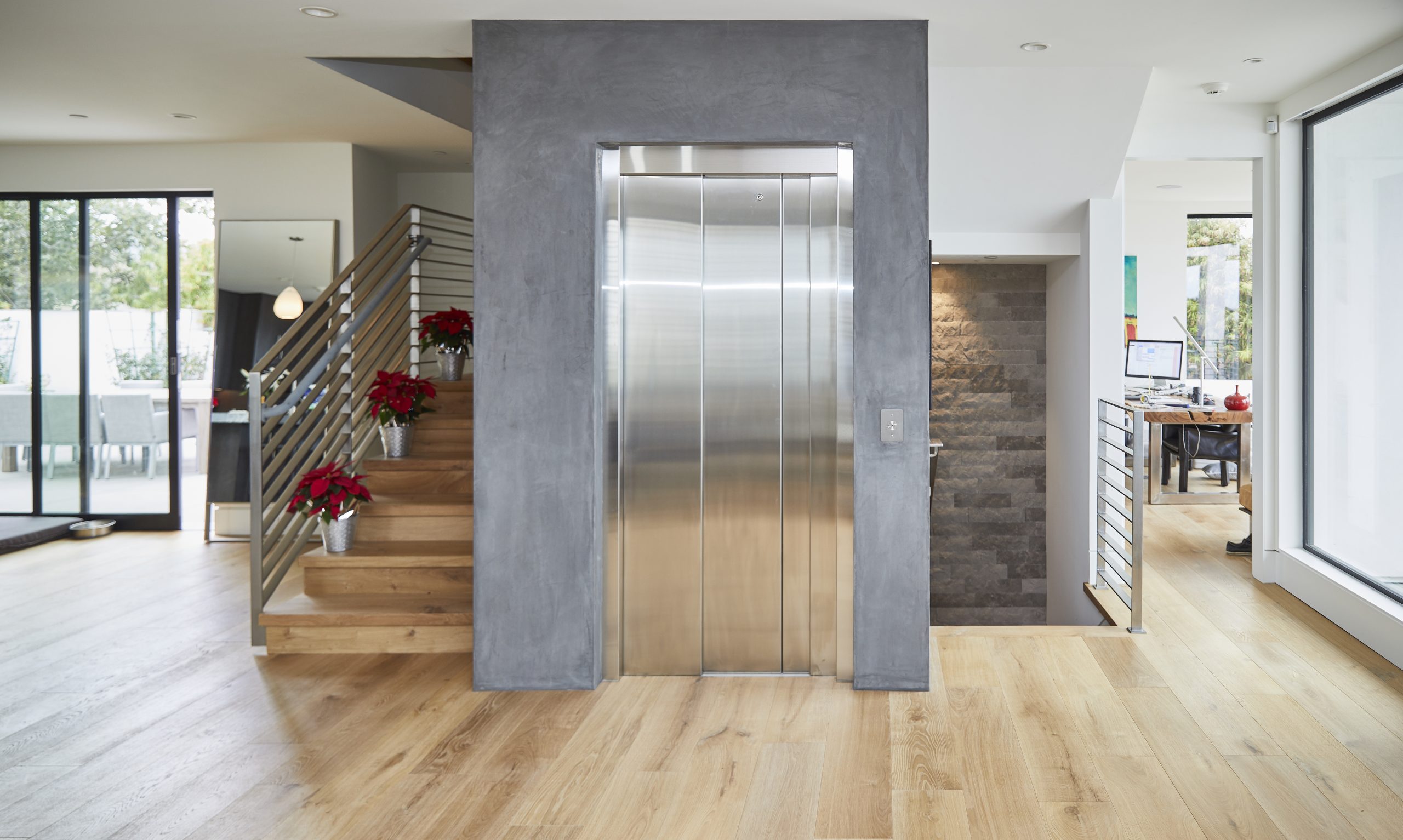
Wood cab

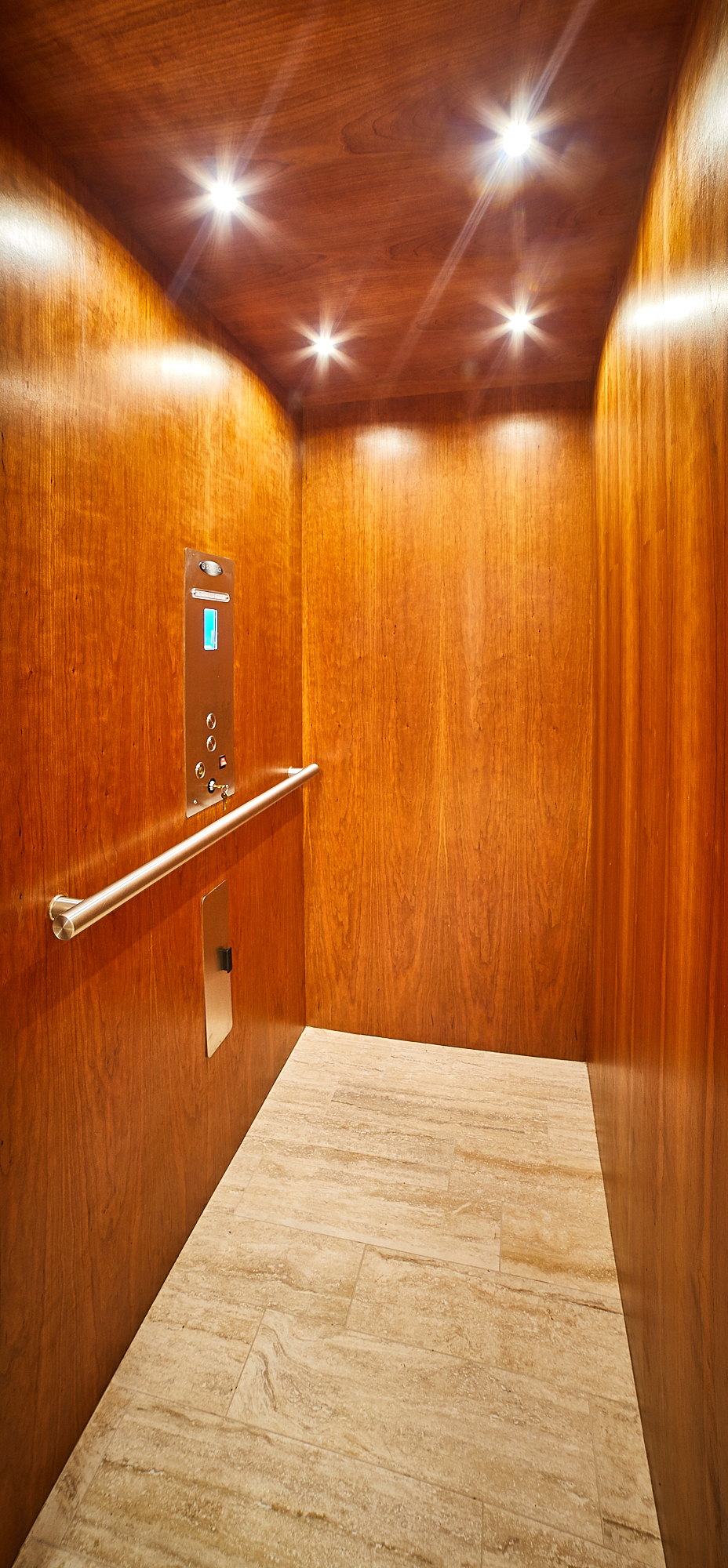
Laminate cab
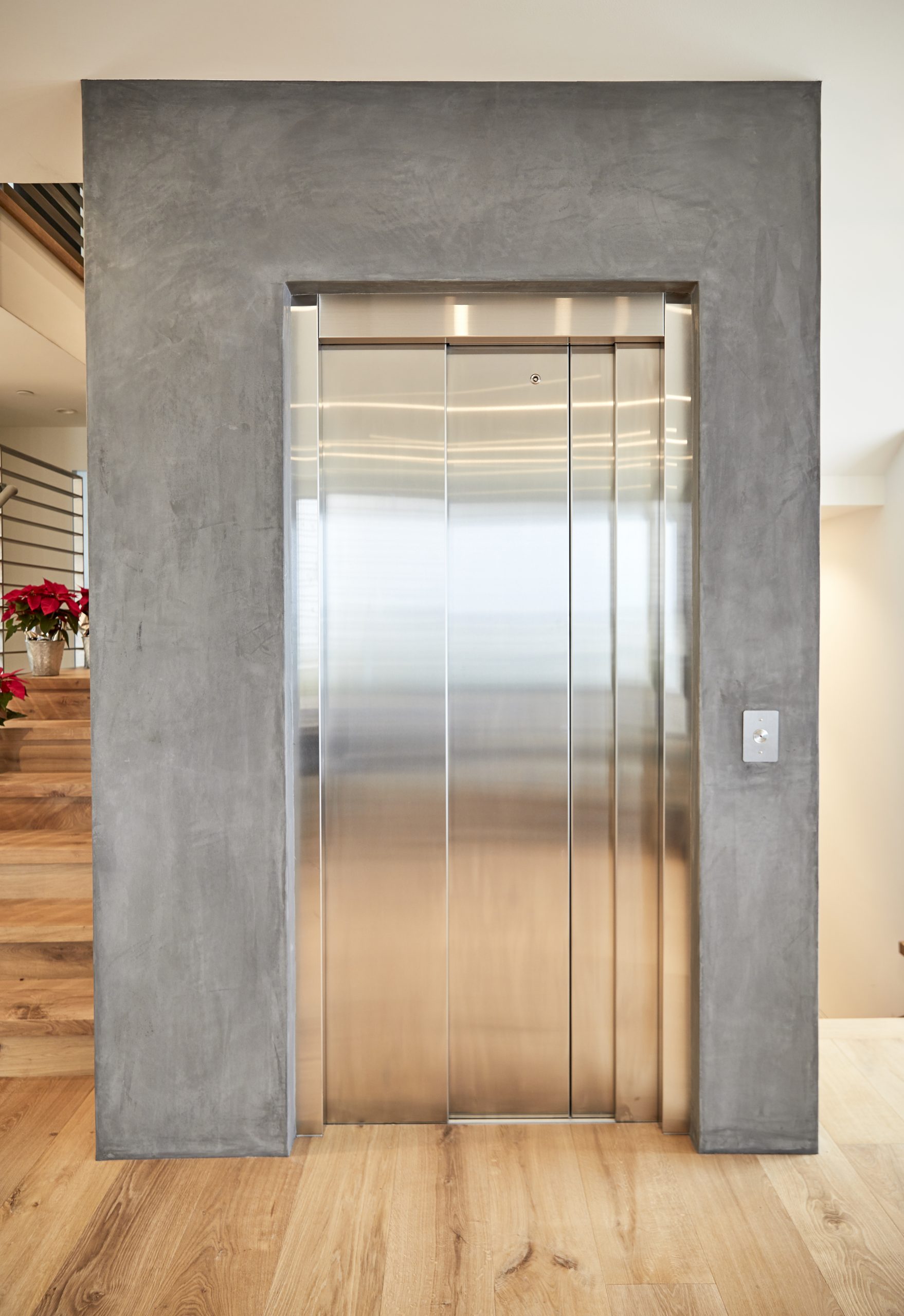
Elevator entry in an open floor plan
Resale value in three points
The short answer
What we check
What to do next
Why the opinions split
An elevator helps a buyer who needs it, and a buyer who needs it will often pay for the convenience, especially if buying a home that can be made accessible would otherwise mean a costly remodel. For a buyer who does not need one, it can look like a fixed cost: it takes up floor space, requires yearly service, and has parts that wear. Both reactions are real.
So the value depends on who is looking. In a market with many older buyers, many multi-level homes, and many buyers planning to stay for decades, an elevator can be a selling point. In a market of young families who care about square footage and low upkeep, it can be a reason to pass. You can see both patterns on public forums, and we hear them from agents who send us sellers and buyers.
Where an elevator helps most
In our experience the case is strongest in these situations:
- Multi-level homes. Three- and four-story coastal and hillside homes in places like Newport Beach, Laguna Beach and La Jolla, where an elevator is part of how the house works.
- Homes bought for the long haul. If you plan to stay, the main return is years of use. Resale is a bonus.
- Markets with many older owners. Buyers there are looking for a house that can age with them. Our aging in place guide shows where that is common.
- Luxury homes. At higher price points, buyers may expect one in a large multi-story house.
It helps most when the elevator fits the house, looks like part of it, and is in good working order. A well-finished cab in a house with a well-planned shaft reads as quality. An awkward add-on reads as a project.
Where it may not pay back
We would not install an elevator for resale alone. It is less likely to pay back in a small house where the shaft takes a large share of the floor, in a market with mostly young buyers, or when the unit is old, hard to service or cheaply built. Another poster on a public forum said that each home they visited with an elevator felt budget, and every owner called it finicky. Poor quality hurts value.
The ongoing side matters. An elevator needs a yearly inspection and service, and a buyer will think about that. A unit with a service record and a transferable maintenance plan is a stronger sell than one nobody has touched in years. Our maintenance plan and our maintenance guide explain what a good record looks like.
Finally, lifespan: a unit with decades left is a feature, and a worn-out one is a bill. See how long home elevators last.
How buyers and appraisers actually treat it
Appraisers value homes by comparing recent sales of similar properties. If few comparable sales include an elevator, an appraiser has less to compare, and the result can be a smaller number than the cost of the equipment. That is a known limit, and it does not mean the buyer sees no value. A buyer’s own judgment, and the competition among buyers, can differ from an appraisal.
A home inspector may not check the elevator in detail, and buyers often ask for a separate elevator inspection. If you are selling, a recent service record, the permit paperwork and a clean inspection help. If you are buying, read our guide to buying a house with an elevator for what to ask. A tidy file removes doubt, and doubt costs sellers money.
How to decide for your house
Ask three questions. First, will someone in the house use it in the next several years? If yes, that use is the return. Second, does the house suit one: does it have several floors, or a shaft location that does not wreck the floor plan? Third, who is the likely buyer? A local agent can tell you what buyers in your neighborhood want.
If the answers point to a lift, consider the cheaper kinds first. A stairlift can come out when you sell, and a shaftless home elevator or through-floor lift costs less than a full-size unit. See our stairlift versus elevator comparison. For costs, see paying for a home elevator and the cost guide. We quote after a free in-home visit, and we will say plainly if an elevator is not worth it for you.
Frequently Asked Questions
Do home elevators increase property value?
Sometimes, for the right buyer and the right house. They rarely return their full cost in a sale, and opinion is split. We do not promise a figure. Treat resale as a bonus and use as the main reason.
How much value does an elevator add to a house?
There is no reliable single figure. Claims you see online mostly come from sellers and are not tied to specific sales. A local agent and an appraiser can tell you how homes like yours have sold.
Are home elevators worth it?
They are worth it for people who will use one for years, in a house that suits it. They are harder to justify for resale alone. We help you weigh use, house and budget on a free visit.
What are the disadvantages of elevators?
They take floor space, need a building permit, need regular service, and have parts that wear. A buyer who does not need one may see them as a cost. A good unit with a service record limits that.
Do stairlifts devalue a house?
Opinions differ. A stairlift is easy to remove, which limits the downside, and some buyers appreciate the feature. We cannot predict a given buyer’s view.
What decreases property value the most?
For elevators, the biggest risks are poor quality, no service history, a hard-to-service brand, and a layout that wastes space. A well-kept unit in a suitable house is a smaller worry.




